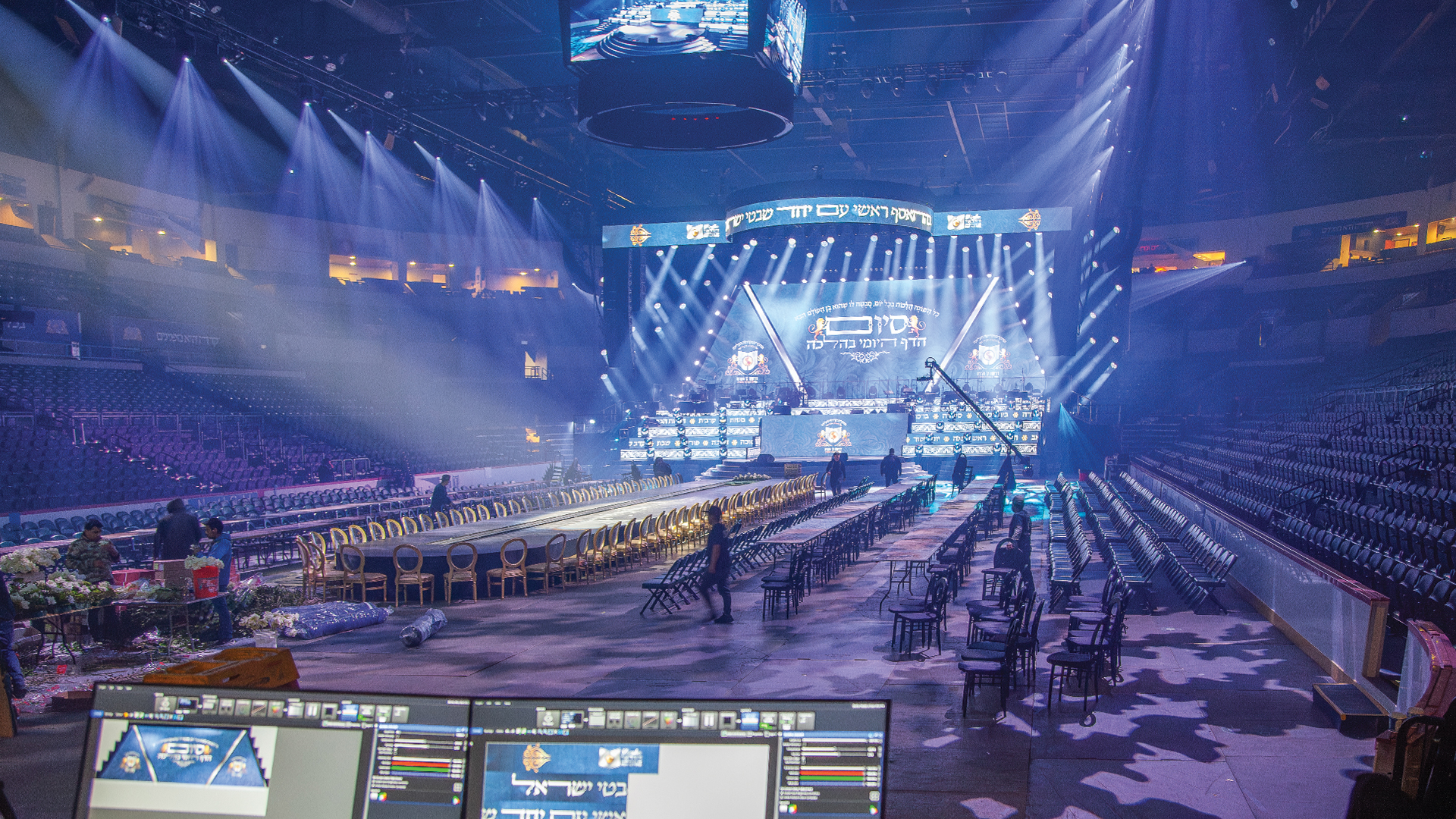
Multi-stage events present unique challenges that multiply the complexity of standard productions. Music festivals, corporate conferences with breakout sessions, and trade shows with multiple presentation areas all require coordinated AV systems across separate performance spaces. Successful execution demands comprehensive planning that addresses technical, logistical, and operational considerations.
Centralized Versus Distributed Control Architecture
The fundamental design decision for multi-stage AV involves choosing between centralized control from a single location or distributed systems with independent operation at each stage. Centralized approaches route all audio and video through a master control room, enabling coordinated switching and unified broadcast feeds. Distributed systems give each stage autonomy, reducing single points of failure but requiring more equipment and personnel.
Most large multi-stage events use hybrid architectures. Each stage operates independently for its primary functions, with fiber optic interconnections providing feeds to central broadcast and recording facilities. This approach maintains show continuity if central systems fail while enabling the coordinated production required for live streaming and broadcast.
Power Distribution Planning
Power requirements scale dramatically with multiple stages, and distribution becomes a critical planning element. Each stage needs calculated capacity for audio systems, lighting, video walls, and support equipment. Safety margins of 20 to 30 percent above calculated loads account for peak demands and future needs during extended events.
Generator placement requires coordination between audio, lighting, and production teams. Audio systems require clean power with minimal harmonic distortion, often necessitating separate generator feeds from lighting and motor loads. Proper grounding eliminates ground loops that cause audible hum in audio systems. Distribution runs must be planned early, as laying large-gauge cable across festival grounds is time-consuming and disruptive once other setup begins.
Audio Isolation and Bleed Management
When multiple stages operate simultaneously, sound from one area bleeding into another creates significant problems. Audience members near stage boundaries hear competing audio, and microphones on quieter stages pick up bass from louder neighbors. The physics of sound propagation makes perfect isolation impossible outdoors, but thoughtful planning minimizes interference.
Stage orientation represents the first line of defense. Directing main speaker arrays away from other stages reduces direct bleed. Cardioid subwoofer configurations cancel bass energy in unwanted directions. Scheduling coordination prevents direct conflicts, ensuring that quieter acoustic acts don’t compete with peak moments from high-energy headliners on adjacent stages.
Signal Transport Infrastructure
Multi-stage events require extensive signal transport networks. Audio networks using Dante, AES67, or similar protocols carry hundreds of channels over standard network infrastructure. Video signals require higher bandwidth, with dedicated fiber or specialized video-over-IP systems connecting cameras, switchers, and displays across the venue.
Redundant pathways protect against cable damage that can occur in active event environments. Main and backup fiber runs take different physical routes to ensure that construction traffic or weather damage to one path doesn’t eliminate connectivity. Network switches at strategic locations provide patching flexibility for troubleshooting and reconfiguration.
Coordinated Communications Systems
Production communication becomes exponentially more complex with multiple stages. Each stage requires its own intercom channels for local coordination, while event-wide channels connect stage managers, production directors, and support teams. Wireless intercom systems enable mobile crew members to maintain contact throughout the venue.
Radio frequency coordination prevents interference between wireless intercoms, microphones, and in-ear monitors across all stages. A single RF coordinator manages frequency allocation for the entire event, preventing conflicts that cause dropouts or interference. This coordination must happen during planning phases because changing frequencies during an event disrupts operations significantly.
Shared Resources and Cross-Rental
Multi-stage events often involve equipment from multiple vendors, requiring careful coordination of connector standards, signal protocols, and operational procedures. Establishing technical specifications during contracting ensures compatibility. Common standards for power connections, audio formats, and video signals prevent integration problems during setup.
Backup equipment pools serve multiple stages more efficiently than dedicated backups at each location. Centralized spares storage with clear allocation procedures enables rapid response to equipment failures. Technical staff must understand what spares exist, where they’re located, and the process for deploying them.
Changeover Planning and Stage Management
Each stage operates on its own schedule of performers and presentations, with changeover periods between acts. These transitions must be planned with realistic time allowances for clearing one setup and preparing for the next. Compressed changeovers create stress that leads to errors, safety shortcuts, and degraded show quality.
Backline and monitor equipment varies between performers, requiring changeover crews familiar with each act’s technical requirements. Detailed stage plots and input lists shared well before the event enable advance preparation. Runner systems move instruments and equipment efficiently while minimizing interference with ongoing performances on adjacent stages.
Weather Contingency Planning
Outdoor multi-stage events face weather risks that require contingency planning for each stage independently. Rain covers for consoles, tarpaulins for speaker stacks, and weatherproof cases for sensitive electronics must be available and accessible. Crew must know the procedures for securing equipment quickly when weather threatens.
Lightning protocols may require complete evacuation of some stages while others in protected areas continue operating. Communication plans must account for rapid notification across all stages when weather conditions change. Decision authority for weather calls needs to be clearly established before events begin.
Broadcast and Recording Integration
Live streaming and broadcast from multi-stage events requires feeds from all locations delivered to central production facilities. ISO camera feeds, program feeds, and multi-track audio from each stage flow over the signal transport infrastructure to broadcast trucks or streaming operations centers.
Switching between stages for live broadcasts requires coordination between stage managers and broadcast directors. Communication protocols ensure that upcoming transitions are anticipated and that stages are ready for their on-air moments. Recording systems capture multi-track audio from each stage independently, enabling post-event mixing and content creation.
Staff Allocation and Expertise
Personnel requirements multiply with each stage, but expertise requirements also shift. Rather than one highly experienced engineer, multi-stage events need multiple competent engineers plus supervisory staff who maintain overview and coordination. Crew scheduling must account for long event days with required breaks and shift rotations.
Specialized roles emerge at scale: RF technicians managing wireless systems across all stages, video engineers handling complex routing, and technical directors coordinating between departments. Clear organizational structures with defined responsibilities prevent gaps and confusion during events.
Documentation and Communication Standards
Comprehensive documentation enables coordination across teams who may never meet face-to-face before events. System diagrams, cable schedules, and equipment lists must be accurate and accessible. Shared documentation platforms allow real-time updates as changes occur during setup and operation.
Naming conventions and labeling standards ensure that references in communications are unambiguous. Stage names, channel numbering, and equipment identification should be consistent across all documentation and physical labeling. This consistency prevents errors when crews are troubleshooting under pressure.
Testing and Commissioning Phases
Multi-stage events require extended setup periods that allow systematic testing of each stage independently followed by integrated testing of shared systems. Each stage should achieve full operational capability before attention shifts to the next. Integrated testing verifies signal transport, communications, and coordinated functions.
Dress rehearsals with technical crews from all stages reveal coordination problems that don’t appear in isolated testing. These rehearsals should simulate actual show conditions including changeovers, stage transitions, and emergency procedures. Time invested in thorough testing prevents problems during events when audiences and performers depend on flawless execution.
Multi-stage event production demands planning depth and coordination sophistication beyond single-stage shows. The investment in thorough preparation pays dividends through smooth execution that audiences experience as seamless entertainment rather than visible technical struggle.
