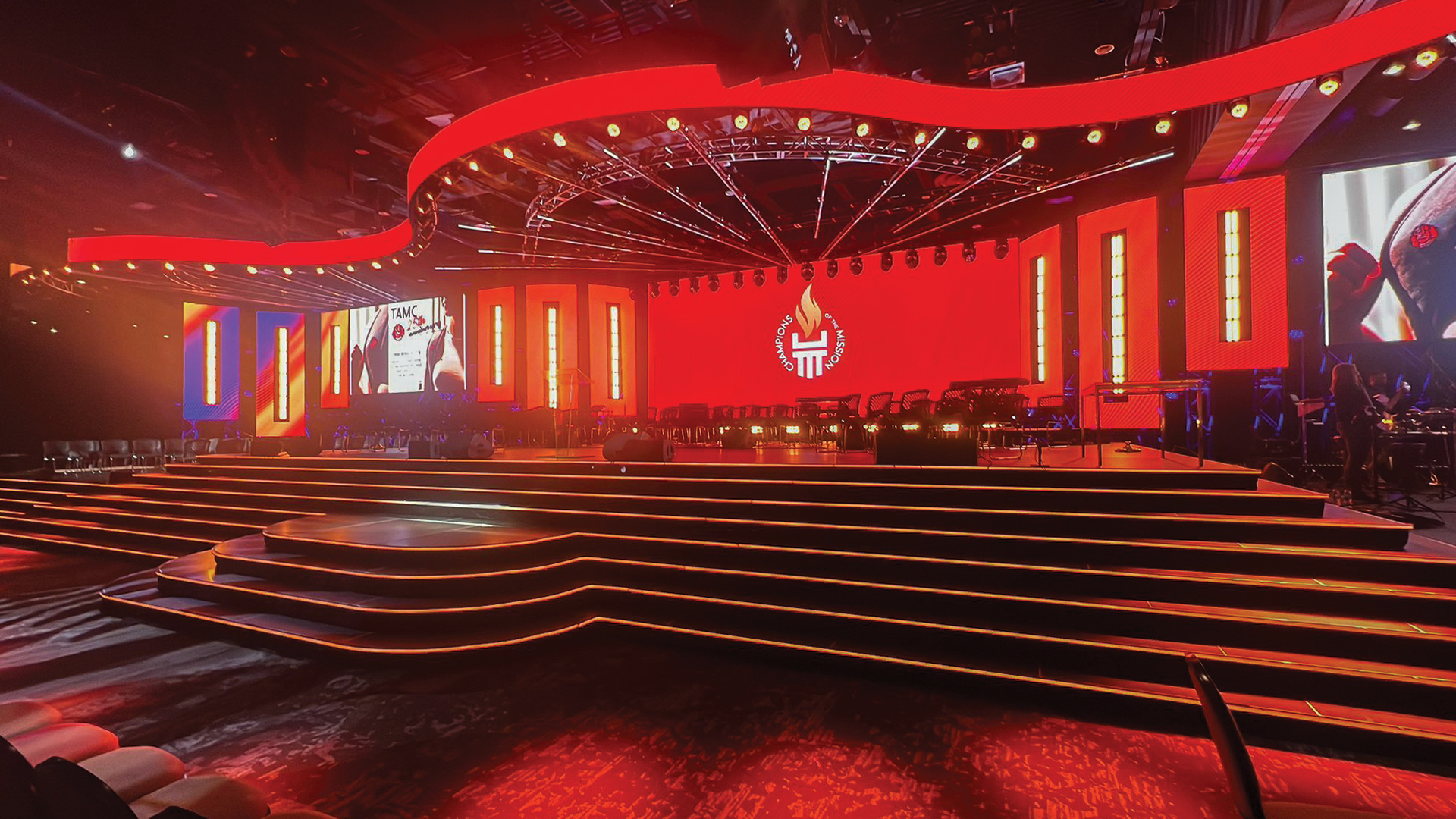
Scroll through any production design portfolio from the past two years, and you’ll spot them everywhere: LED walls positioned behind LED walls, creating layered visual depth that flat single-surface displays simply cannot achieve. This double layer LED approach has exploded from experimental technique to industry standard, driven by creative directors hungry for dimensional impact and enabled by LED technology finally reaching price points making redundant installations economically viable.
The technique evolved from theatrical traditions reaching back centuries. Scrim curtains—translucent fabric panels—created layered scenic depth in 18th-century opera houses, with lighting changes revealing or concealing painted backdrops positioned behind them. Modern double-layer LED installations update this proven approach with digital flexibility, enabling transitions between layered and single-surface presentations that would have required physical crew movement in previous eras.
The Visual Psychology of Depth Perception
Human brains crave dimensional information. Flat screens—whether projection, LCD, or LED—trigger subtle dissatisfaction because they deny depth cues our vision expects from real environments. Binocular disparity, motion parallax, and atmospheric perspective normally help brains construct three-dimensional models from visual input; single-surface displays provide none of these cues, registering as unnaturally flat however high their resolution.
Double-layer LED configurations restore some dimensional perception. The physical separation between front and back surfaces creates actual parallax as viewers shift position—the relationship between foreground and background elements changes based on viewing angle, providing genuine depth information rather than simulated 3D effects. This isn’t virtual reality trickery; it’s real space perception that doesn’t require special glasses or viewing angles.
Transparent LED: The Enabling Technology
Double-layer installations became practical only after transparent LED technology matured. Traditional LED panels are solid—placing one in front of another simply blocks the rear surface. Transparent LED panels like the ROE Visual Vanish V8T and Unilumin USlim feature widely-spaced pixel strips allowing 60-70% light transmission from behind, making rear surfaces visible through front surfaces.
The transparency creates compositional possibilities impossible with opaque technology. Content on the front transparent layer floats in space, with rear layer content providing background context visible between the pixel strips. Presenters can stand between layers, literally surrounded by digital environment. The Absen KLCOB series achieves particularly high transparency while maintaining brightness competitive with solid panels—a combination that seemed contradictory until recent manufacturing advances.
Content Design for Layered Surfaces
Double-layer installations demand fundamentally different content approaches. Designers must think in separated planes rather than unified compositions—what appears on the front layer, what appears behind, how they interact visually. The mental model shifts from painting a canvas to dressing a stage, with foreground, midground, and background elements occupying physically distinct spaces.
Notch real-time graphics software has become the standard tool for multi-layer LED content creation, with native support for separate output feeds to independent surfaces. Designers create compositions in true 3D space, then assign layers to physical display surfaces. The software handles perspective calculations automatically, ensuring content appears correctly from audience positions despite the physical separation between display planes.
Separation Distance and Parallax Effects
The physical gap between LED layers dramatically affects visual perception. Wider separation creates more pronounced parallax—more dramatic depth perception as viewing angle changes—but also creates challenges with focus and brightness matching. Typical installations position layers 2-4 feet apart, providing noticeable depth without extreme separation that makes both layers difficult to view comfortably simultaneously.
Camera capture of double-layer installations introduces focus decisions single-surface configurations never encounter. Should cameras focus on the front layer (rear layer soft), rear layer (front layer soft), or attempt a middle-ground focus that renders both layers slightly soft? These become creative choices rather than technical problems when production teams understand them in advance. The Sony FX9 cinema camera with its wide depth of field capability often serves double-layer capture because it can maintain acceptable sharpness across greater depth range than faster cinema primes.
Brightness Calibration Across Layers
Transparent front panels reduce rear layer visibility even at maximum transparency. The rear layer must push substantially more brightness to appear balanced when viewed through the front surface—often 40-60% more luminance than it would require in isolation. Brightness calibration between layers becomes critical production work, requiring on-site adjustment as ambient light conditions and content requirements evolve.
The Brompton Tessera LED processors enable independent brightness control for each layer, with adjustment ranges sufficient to compensate for front-panel transparency losses. Professional technicians calibrate by eye rather than meter, matching perceived brightness rather than measured output—the human visual system’s logarithmic response to luminance makes measured-equal brightness look wrong.
Structural Requirements for Dual Installations
Two LED surfaces mean double the weight, and the spacing between them requires structural engineering that single-surface installations rarely demand. The front layer typically flies from overhead grid, while the rear layer often requires independent ground support or separate rigging points—sharing rigging between layers creates unacceptable sway that destroys the illusion of stable spatial relationship.
Tyler Truss GT Systems and Area Four Industries tower systems provide the structural foundation most double-layer installations require. Production managers must calculate combined loads carefully—the transparent front layer may weigh less than standard LED, but ‘less’ can still mean thousands of pounds for large installations. Structural engineers increasingly specialize in LED installation loads, a consulting specialty that barely existed a decade ago.
Practical Applications Driving Adoption
Automotive reveals pioneered double-layer LED staging, with vehicles positioned between layers that display environmental content suggesting roads, cities, and landscapes. The cars exist within digital environments rather than in front of them—a distinction audiences feel viscerally even when they can’t articulate what differs from traditional presentations. Mercedes-Benz and BMW launch events now routinely specify double-layer configurations that have become expected rather than exceptional.
Corporate keynotes increasingly adopt the technique for executive presentations. A CEO standing between LED layers—company history displayed behind them, data visualizations floating in front—commands attention that single-surface configurations struggle to match. The spatial relationship between presenter and content reinforces narrative connections: the leader emerges from company heritage to present future vision, made literal through physical staging.
Virtual Production Studio Applications
Film and television virtual production stages have embraced double-layer LED for in-camera visual effects. The technique reached mainstream awareness through The Mandalorian‘s groundbreaking LED volume, but subsequent productions have refined the approach using multiple LED planes at varying distances from talent. These configurations enable realistic reflection behavior and natural depth-of-field interactions that single-surface LED volumes struggle to achieve.
The disguise media server platform dominates virtual production workflows partly because it handles multi-layer LED configurations natively. Camera tracking data drives content perspective adjustments across multiple surfaces simultaneously, maintaining correct spatial relationships as camera positions change. This real-time processing demands substantial computing power—a fully configured disguise gx server represents a five-figure investment justified by its unique capability set.
Cost Considerations and Budget Planning
Double-layer installations don’t simply double costs—they multiply them. Beyond obvious LED panel expenses (two surfaces rather than one), installation requires additional rigging, structural engineering, content creation, and programming. A realistic budget multiplier runs 2.3x to 2.8x compared to equivalent single-surface installations, with the premium justified by visual impact that clients increasingly consider essential rather than optional.
Rental inventory availability affects pricing significantly. Major LED rental houses like PRG, EPIC Event Productions, and VER have invested heavily in transparent LED stock anticipating double-layer demand, making rental economically viable for productions that couldn’t consider purchase. Peak season availability remains tight—book transparent LED inventory 8-12 weeks before events to ensure access to preferred products.
Future Development Trajectories
Triple-layer configurations are already appearing in concept designs and experimental installations. Each additional layer adds depth complexity while compounding technical challenges—brightness losses multiply, structural requirements escalate, and content design complexity grows exponentially. Current transparent LED technology probably limits practical installations to three layers maximum, but manufacturing advances may eventually enable deeper configurations.
Micro-LED technology promises transparent panels with higher pixel density than current products, enabling double-layer installations where both surfaces display content-resolution imagery rather than just ambient graphics. Samsung’s MicroLED commercial products hint at this future—true photographic content on transparent surfaces would transform double-layer installations from atmospheric technique into complete visual environments.
Double-layer LED design represents more than technical trend—it reflects fundamental desire for spatial experience that flat screens deny. Audiences raised on immersive video games and virtual reality expect dimensional visual environments; single-surface LED walls feel increasingly anachronistic against these expectations. The productions investing in layered LED configurations today aren’t chasing novelty—they’re meeting audiences where contemporary visual culture has trained them to expect presence rather than mere display.
