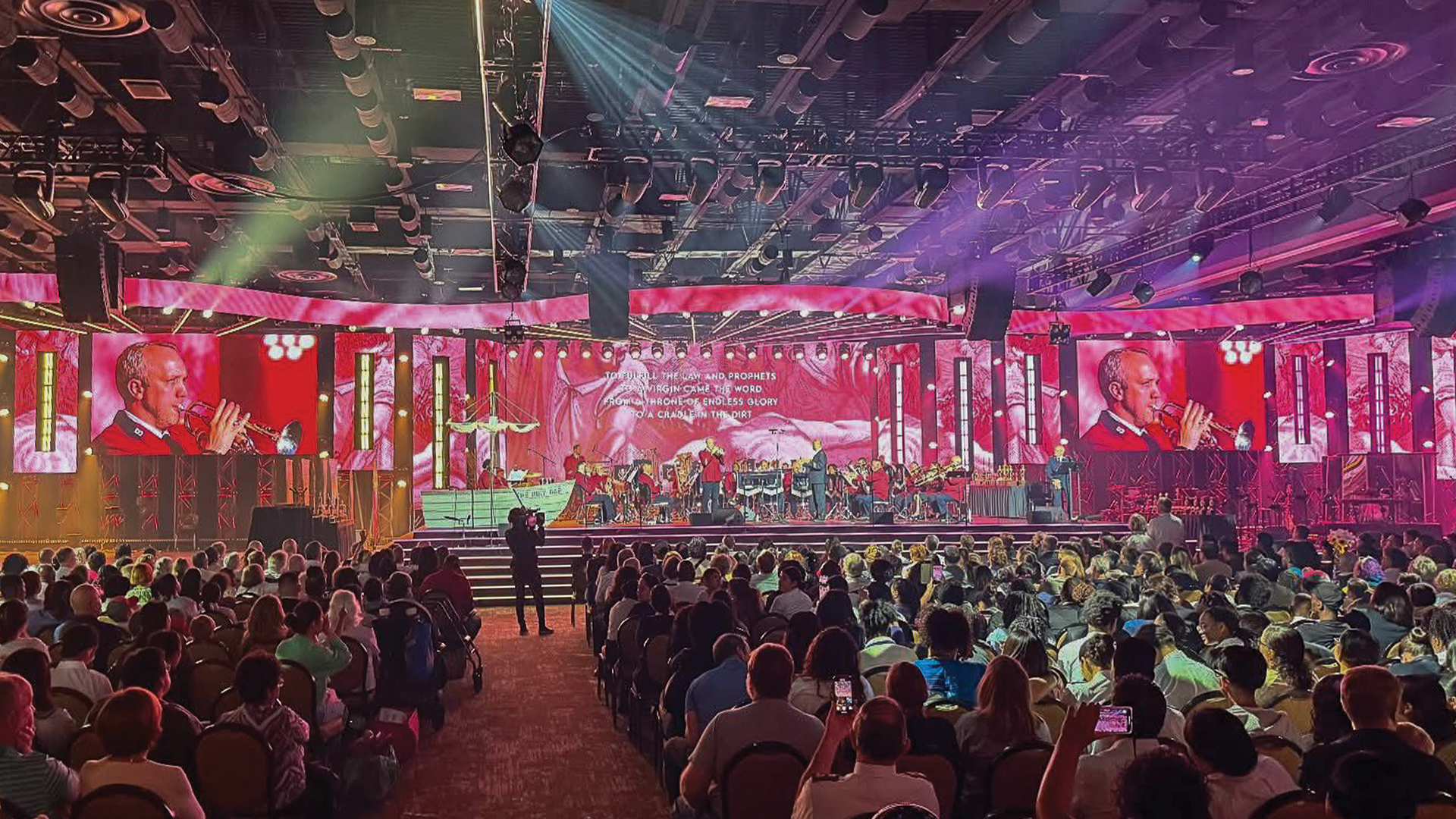
The keynote speaker stood backstage, waiting in darkness. Then the music swelled, LED screens flanking the entrance pulsed with energy, and a perfectly timed sequence of moving head beams carved through theatrical haze to create a corridor of light. The speaker walked through this luminous pathway to thunderous applause a dynamic stage entrance that transformed a routine introduction into a memorable moment. Building these entrances requires understanding how lighting, timing, and theatrical technique combine to create maximum impact.
The Psychology of Dramatic Entrances
Dramatic entrances work because they focus collective attention at precisely the right moment. When a room goes dark, audience members stop side conversations and orient toward the stage. When light appears in a specific location, every eye follows. This attention focusing creates a shared experience hundreds or thousands of people having the same reaction simultaneously that amplifies the emotional impact of what follows. The lighting doesn’t merely illuminate; it orchestrates psychology.
Contrast and revelation drive dramatic impact. A speaker who walks onto an already-lit stage arrives without ceremony; the same speaker emerging from darkness into a sudden spotlight arrives with significance. The contrast between dark and light, between hidden and revealed, creates drama that even lighting cannot achieve. Productions planning impactful entrances must control ambient light sufficiently to make their lighting effects meaningful a spotlight in a brightly lit room creates far less drama than the same spotlight in darkness.
Lighting Techniques for Entrance Sequences
Follow spots provide the classic entrance treatment a pool of light that tracks the speaker from entrance to final position. Professional follow spots like the Robert Juliat Cyrano or Strong Super Trouper provide the intensity and control these moments require. Skilled operators anticipate movement, leading slightly rather than following, creating smooth tracking that appears effortless. The follow spot moment remains effective precisely because it signals importance—audiences recognize the convention and respond accordingly.
Beam effects using moving heads add contemporary energy to entrances. Fixtures like the Claypaky Sharpy, Robe Pointe, and Martin MAC Quantum Profile create the sharp, punchy beams that slice through haze dramatically. Programming these fixtures to sweep, converge, or pulse in coordination with music creates entrance sequences with rock concert energy. Atmospheric haze from machines like the MDG ATMe makes these beams visible without haze, beam effects remain invisible regardless of fixture quality.
Timing and Cue Execution
Musical synchronization elevates entrances from effective to electrifying. Lighting that shifts on musical downbeats, that builds with crescendos, that explodes at climactic moments creates unified sensory experiences. Timecode-driven cues using SMPTE LTC or MIDI timecode ensure frame-accurate synchronization between audio playback and lighting changes. Consoles like GrandMA3 and ETC EOS accept timecode input, firing programmed sequences automatically in sync with music.
Rehearsal proves essential for complex entrance sequences. Speakers must understand their timing—when to begin walking, what pace to maintain, where to stop. Technical teams must verify that cues fire correctly, that timecode sync works reliably, that follow spot operators know their picks. A spectacular entrance sequence with a mistimed speaker becomes an awkward stumble that audiences remember for wrong reasons. Investing rehearsal time in entrance moments pays dividends in execution confidence.
Dynamic stage entrances represent theatrical craft applied to corporate contexts. The techniques—darkness before revelation, coordinated lighting and audio, precise timing—come from decades of theatrical and concert production experience. Productions that invest in entrance sequences create moments that audiences remember and discuss, transforming functional speaker introductions into experiences that enhance overall event impact.
