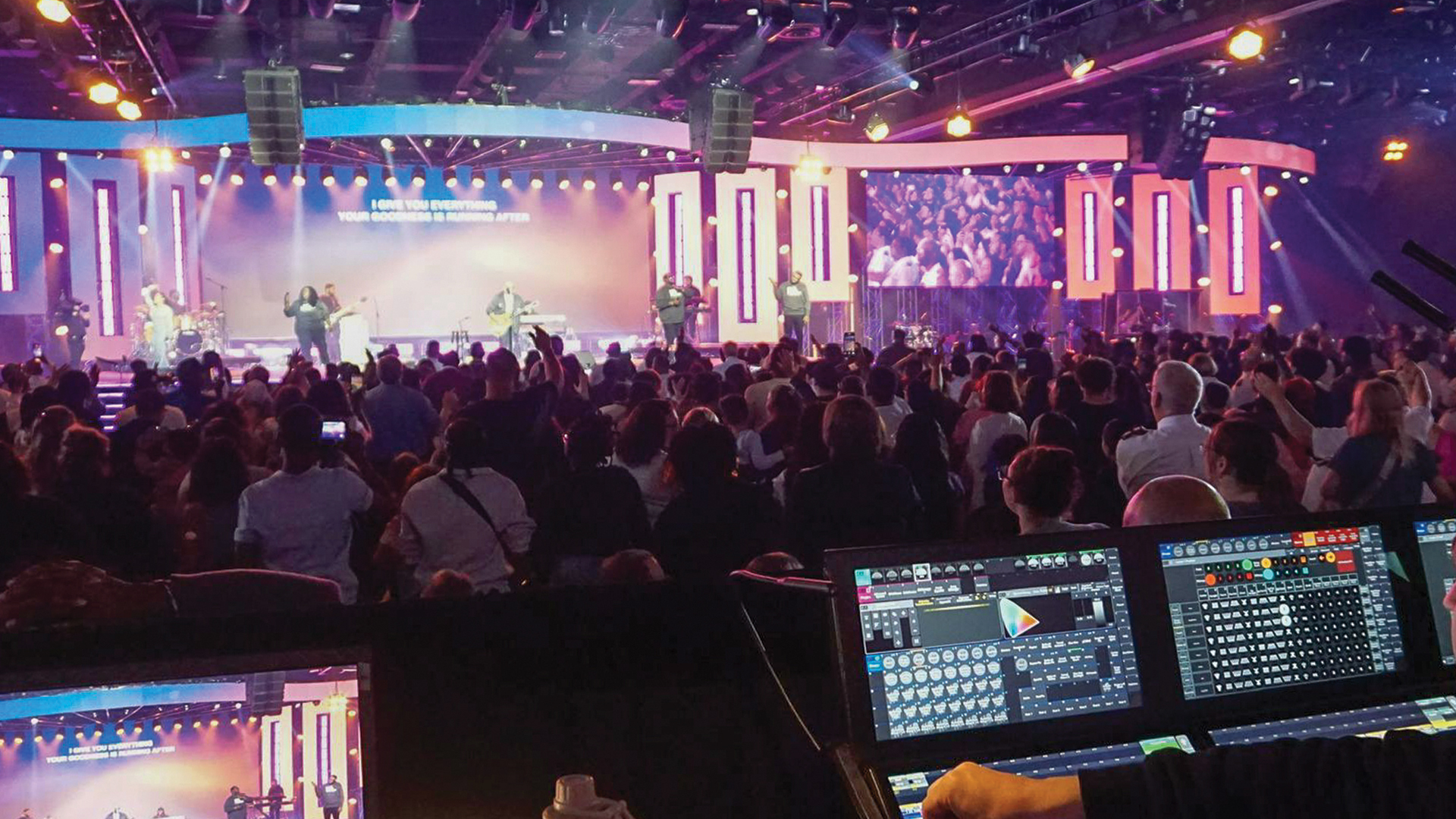
The presentation content was designed for 16:9 displays, but the stage featured an ultrawide 32:9 LED wall. The result: content stretched awkwardly, with distorted graphics and faces that appeared unnaturally wide. This mismatch illustrates why LED wall aspect ratios matter and why content planning must align with display specifications before designs finalize.
Understanding Aspect Ratios
Aspect ratio describes the proportional relationship between display width and height. Standard ratios include 16:9 (common for HD video), 4:3 (legacy presentations), and 21:9 (ultrawide cinema). LED walls can be built in any ratio—their modular construction enables custom dimensions that projection systems cannot match. This flexibility creates opportunity but also risk when content doesn’t match display proportions.
Content mismatch consequences include stretching (where content fills the display but appears distorted), letterboxing (where content maintains proportions but displays with black bars), or cropping (where content fills the display by cutting off portions). None of these compromises is ideal; planning that matches content to display ratios avoids all of them.
Design Considerations
Content-first design specifies display ratios that match planned content. If presentations will use standard 16:9 slides, designing 16:9 displays ensures perfect fit. If video content originates in cinema formats, wider ratios accommodate it. This approach prioritizes content quality but may limit stage design flexibility.
Stage-first design specifies display dimensions based on architectural and aesthetic priorities, then creates content for those specifications. Ultrawide displays create dramatic stage presence; content teams design specifically for those proportions. This approach prioritizes visual impact but requires content development investment for non-standard formats.
Managing Multiple Content Types
Mixed content events—combining presentations, video playback, IMAG, and graphics—often involve multiple source ratios. Media servers like disguise and Resolume composite multiple sources within unified output canvases, positioning 16:9 presentations within ultrawide displays alongside graphics that fill remaining space. This compositing capability enables flexible content handling that matches diverse sources to unique display geometries.
IMAG considerations particularly affect ratio decisions. Camera signals are typically 16:9; displaying them on ultrawide screens requires either cropping, letterboxing, or combining IMAG with other content that fills the extra width. Productions should plan IMAG display approach during design rather than discovering ratio mismatches during rehearsal when solutions are limited.
LED wall aspect ratios represent early design decisions that affect content throughout production. Getting ratios right—whether by matching displays to content requirements or developing content for display specifications—prevents the compromises that ratio mismatches force. Productions that address aspect ratio considerations during planning create seamless content experiences; those that overlook them discover problems when solutions have become difficult and expensive.
