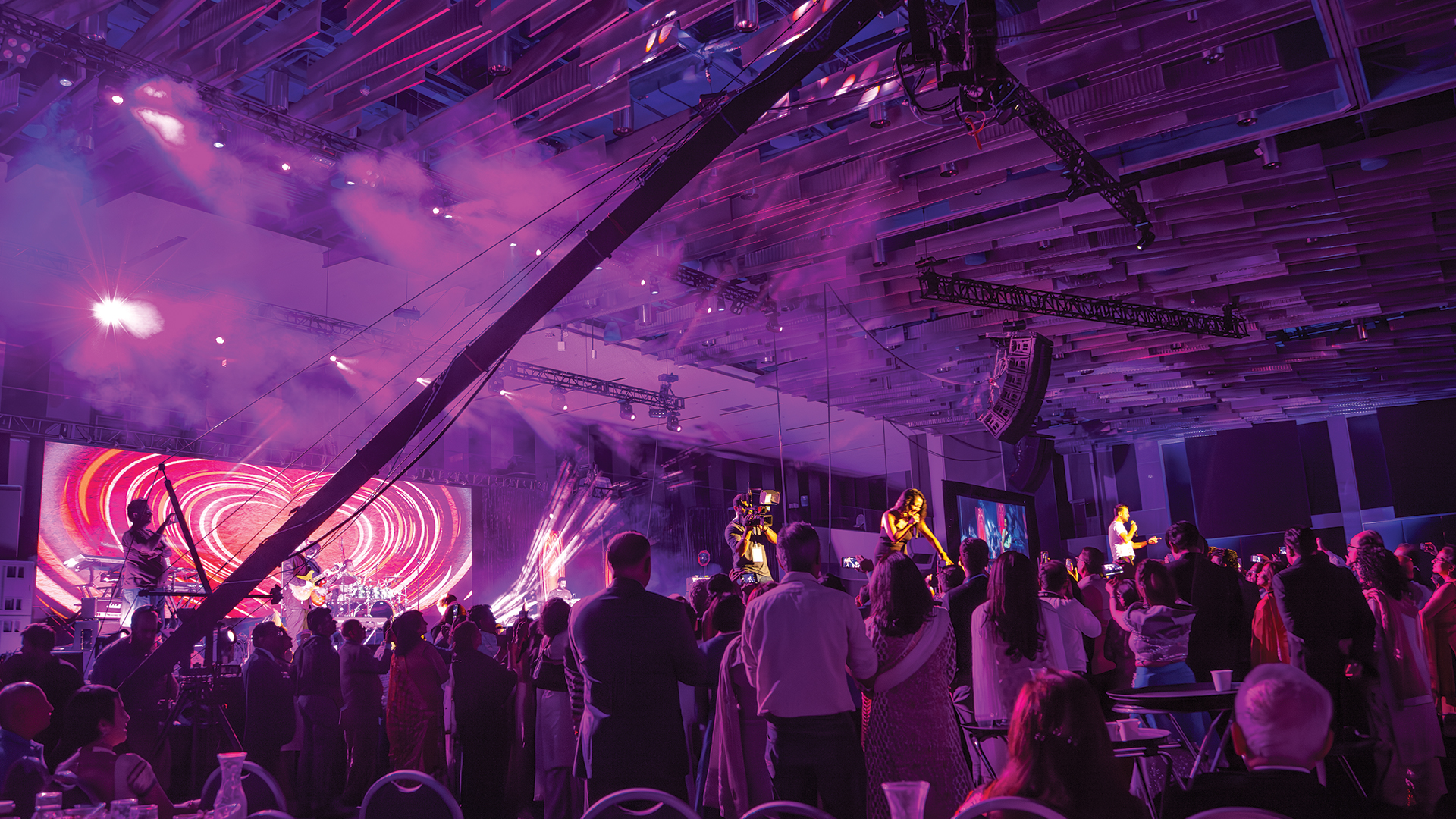
Load-out is where productions that ran elegantly for three days reveal their organizational DNA. The show is over, the client is euphoric or not, and now several dozen people — audio technicians, lighting crew, video engineers, riggers, stagehands, and truck drivers — need to dismantle and pack roughly a million dollars’ worth of equipment in a venue that’s simultaneously being claimed by the next show or the cleaning crew. The load-out is not a wind-down; it is a compressed, high-stakes logistics operation that requires communication discipline that is often superior to what the show itself demanded.
The Communication Architecture Before Load-Out Begins
Effective load-out communication starts before the last cue of the show fires. The production manager or project manager should be distributing a load-out sequence document — a detailed breakdown of which departments pack first, which equipment gets wrapped before the stage is torn down, which cases go on which truck, and what the first truck departure time is — before the show’s final segment. Crew members who receive this document in advance arrive at load-out with context and purpose rather than waiting to be told what to do.
Digital tools have transformed this process. Slack channels organized by department — #lighting-crew, #audio-crew, #video-crew, #riggers — allow department heads to push updates and task assignments throughout load-out without competing for airtime on a single radio channel. Production management platforms like Cvent, Teamwork, or the AV-specific Flex Rental Solutions allow equipment manifests to be published digitally so crew members can scan cases against a load list without paper.
Radio Protocol and Channel Discipline
The intercom and radio system during load-out is typically the same infrastructure used during the show — Clear-Com partyline or matrix systems for department-to-department communication, and motorola MOTOTRBO or Kenwood NX-series two-way radios for floor-to-truck communication. The problem that emerges in almost every load-out is radio channel congestion — too many people on too few channels, with non-essential communication overwhelming the critical updates that direct truck loading and department sequencing.
The professional solution is a strict channel assignment that is briefed before load-out begins. A single production channel for PM-to-department-head communication only. Department-specific channels for internal crew coordination. A separate truck and dock channel for logistics. This architecture keeps critical information moving at the speed the operation requires and prevents the free-for-all that turns a 4-hour load-out into a 7-hour one.
Sequencing Equipment Wrap for Maximum Efficiency
Load-out sequencing is a discipline of dependency mapping — identifying which equipment cannot be wrapped until something else is done, and working backward from truck departure time to create a sequence that keeps every department productively busy. Riggers cannot fly out motors until the lighting rig is de-rigged. The lighting rig cannot be de-rigged until LED walls on the same structural system are demounted. Audio snakes cannot be pulled until stage monitors and backline are struck.
Productions that have mapped this dependency tree in advance — and built that map into the load-out sequence document — eliminate the idle time that drives up labor costs. A crew member who is waiting because a dependency hasn’t cleared is a crew member being paid not to work. In major markets like New York, Los Angeles, and Las Vegas where IATSE labor rates apply, idle crew time is among the most expensive inefficiencies in the production budget.
Asset Tracking During Load Out
Equipment loss and damage during load-out is an industry-wide problem that production companies have historically absorbed as a cost of doing business. The emergence of QR code and RFID asset tracking — implemented through platforms like Asset Panda, EZOfficeInventory, or GigaStor — has given production companies a tool to verify case counts and equipment inventories in real time rather than discovering missing items at the warehouse three days later.
For touring productions where equipment moves through multiple hands — venue stagehands, truck drivers, freight forwarders, local crew — a chain of custody system that timestamps every equipment transfer creates an accountability record that is invaluable for insurance claims and crew performance reviews. Companies like PRG, VER, and Solotech have invested heavily in asset management infrastructure precisely because the cost of lost or damaged equipment at scale is a significant operational expense.
The Load-Out Briefing: Two Minutes That Save Two Hours
The single highest-return investment in load-out efficiency is a five-minute all-hands briefing immediately after the show’s final cue. The production manager addresses every department head simultaneously, covering: sequence, first truck call time, any venue constraints on the load-out (access limitations, elevator scheduling, dock time windows), and any equipment that requires special handling. This briefing transforms a collection of independent department heads into a coordinated team with shared situational awareness.
Load-out is the final impression a production company makes on a venue, on a client, and on the crew members they hope to hire again. A load-out that runs clean, on time, and without drama signals organizational competence that reverberates through every future booking conversation. The show may have been magnificent — but the production company that loads out gracefully is the one that gets called back.
