Introduction
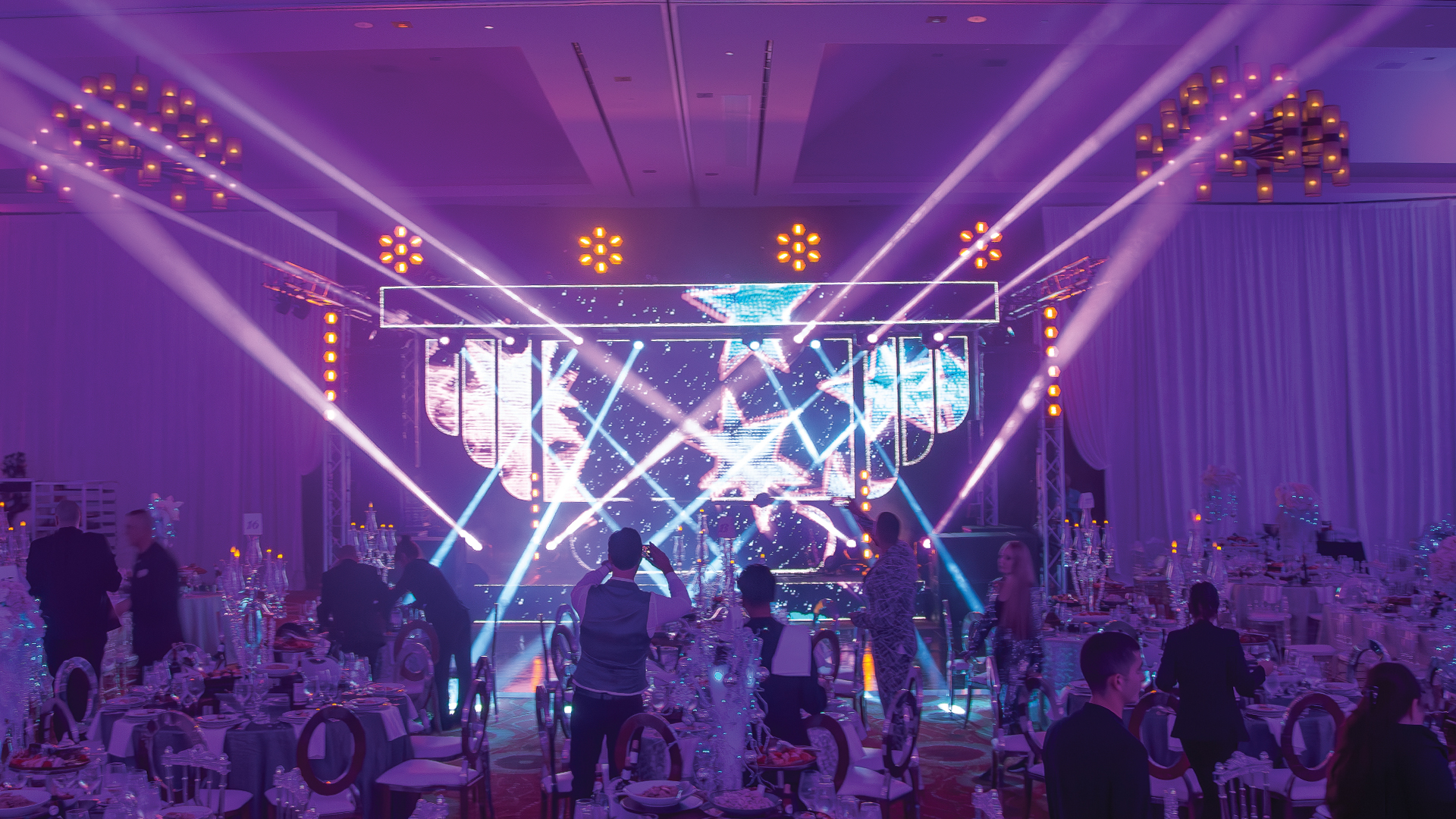
Visual impact is one of the most important elements in live events, and in 2025 audiences expect high energy visuals that feel cinematic, immersive, and tightly synced to the performance. Lighting and LED walls have become the two most powerful tools for creating these high level effects. When combined correctly, they transform concerts, corporate events, festivals, and product launches into visually stunning experiences that leave lasting impressions. This article breaks down the strategies professionals use to maximize visual impact with lighting and LED walls, along with practical tips for anyone planning an event with rented gear from an Event Lighting Rental provider.
Why Lighting and LED Walls Work Best Together
Lighting and LED walls deliver different types of visual information. Lighting provides atmosphere, depth, and emphasis, while LED walls deliver detail, storytelling, and motion graphics. When they work together, they create visual layers that feel larger and more dynamic than either one could achieve alone.
Key reasons this combination works:
-
Lighting adds depth while LED walls provide surface level visuals.
-
LED content sets the visual mood and lighting enhances the emotional effect.
-
LED walls anchor the stage while lighting fills the rest of the environment.
-
Both systems can sync to timecode, beats, or triggers for perfect unity.
Production teams rely heavily on both technologies to create shows that feel polished and professional.
Choosing the Right LED Wall Configuration
LED walls are highly customizable, and different configurations produce very different visual results. The goal is to match the LED structure to the type of content and the physical stage layout.
Popular configurations include:
-
Full width back walls for concerts and festivals.
-
Vertical LED columns that add height and motion.
-
LED risers built into stage platforms.
-
Curved LED walls that produce a more immersive field of view.
-
360 degree LED cylinders for high end events or immersive rooms.
-
LED strips used as accent edges or outlines.
Before selecting a configuration, designers consider viewing distance, sightlines, brightness needs, and how lighting fixtures will interact with the LED surfaces. Event Lighting Rental companies usually provide a range of compatible supporting hardware to ensure LED walls can be rigged safely and flexibly.
Understanding Pixel Pitch and Brightness
Pixel pitch and brightness are two of the most important specs for an LED wall. Pixel pitch affects sharpness, while brightness determines visibility.
-
Pixel pitch needs to be tight if the audience will be close to the screen. Smaller pitch means sharper images.
-
Brightness levels should match the lighting intensity and room conditions. Outdoor events require far higher brightness than indoor shows.
If brightness is too low, lighting will overpower the LED wall. If brightness is too high, the LEDs will wash out the lighting cues. Balancing the two is critical for maximum visual impact.
Using Lighting to Enhance LED Content
Lighting is used to highlight specific areas of the stage and complement the visuals on LED screens. The most successful designs use lighting to guide the audience’s attention.
Effective methods include:
-
Color matching lighting fixtures to the primary color palette of the LED content.
-
Backlighting to add depth behind performers when LED walls are bright.
-
Silhouette lighting to create dramatic outlines when performers stand in front of large LED walls.
-
Side key lighting to prevent faces from being washed out by LED glare.
-
Spotlight accents that draw focus during key moments of a show.
When lighting and LEDs share the same color themes, the stage feels unified and intentional.
Creating Motion with Lighting and LED Walls
Motion is one of the strongest visual tools in live production. LED walls naturally display motion graphics, but lighting can extend those movements into the air and across the venue.
Examples include:
-
LED wave patterns paired with sweeping moving heads.
-
Fast cuts in LED content synced with strobe bursts.
-
Slow ambient animations matched with soft beam movements.
-
Rotating visual loops paired with circular lighting patterns.
When motion on both systems aligns, the entire environment feels alive and coordinated.
Using Timecode for Perfect Sync
Timecode is the backbone of modern show synchronization. It allows lighting, LED content playback, lasers, special effects, and even audio cues to run in perfect alignment.
Advantages of using timecode:
-
No missed cues
-
No manual timing errors
-
Consistent show quality every night
-
Smooth transitions between scenes
-
Enhanced storytelling and pacing
Timecoded shows feel more professional because every visual and audio element works together seamlessly.
Layering Light for Depth and Dimension
LED walls cover large surfaces, but lighting brings dimension to the stage. Designers build visual layers by using different types of fixtures at strategic positions.
Common lighting layers include:
-
Front light to illuminate performers.
-
Backlight to separate performers from the screen.
-
Side light for body detail and dramatic effect.
-
Beam and aerial effects to fill the space above the audience.
-
Wash fixtures to color the scene.
-
Pixel mapped fixtures to echo LED wall patterns.
This layered approach prevents LED walls from flattening the visual environment and keeps performers in clear focus.
Avoiding Common Visual Problems
Even with great equipment, visuals can fall short if the design is not coordinated carefully. Several common problems often reduce visual impact.
1. Color Clashing
If lighting and LED content use competing color palettes, the stage can feel messy or disconnected. Designers avoid this by using shared color presets across all systems.
2. Washed Out Performers
Bright LED walls behind performers can make faces and bodies appear dark. Adding side key lighting prevents this issue.
3. Visual Overload
Too many fast movements or effects at once can overwhelm the audience. The best shows use contrast, with calm scenes leading into intense visual hits.
4. Poor Rigging Alignment
If LED walls and lighting fixtures are not positioned correctly, beams may reflect off screens or create unintended glare. Rigging teams plan angles carefully to avoid this.
The Role of Previsualization
Previsualization software allows designers to build the entire lighting and LED layout in 3D before arriving at the venue. This reduces load in time and improves the accuracy of the final look.
Benefits include:
-
Faster programming
-
Fewer on site errors
-
Accurate alignment between lighting and LED content
-
More time for creative adjustments
Event Lighting Rental companies often provide access to software profiles and fixtures that can be imported directly into previsualization tools.
How Event Lighting Rental Services Support Visual Impact
Rental providers supply much more than gear. They often include technical support, rigging guidance, system design assistance, and on site technicians.
Key advantages of Event Lighting Rental services include:
-
Access to high end fixtures without large capital investment
-
Ability to scale lighting rigs to match each venue
-
Replacement gear available if issues arise
-
Expert consultation on fixture and LED compatibility
-
Streamlined logistics for touring productions
These services allow event planners to focus on creative goals rather than technical limitations.
Conclusion
Maximizing visual impact with lighting and LED walls requires careful coordination, smart design choices, and a deep understanding of how both systems influence the audience experience. When LED content, lighting cues, and motion patterns work together, the result is a dynamic and visually powerful event that elevates every moment on stage. With support from Event Lighting Rental providers, even complex designs can be executed smoothly and professionally. For any event aiming to deliver strong impressions and memorable visuals, the combination of lighting and LED walls remains the most effective approach available in 2025.
